
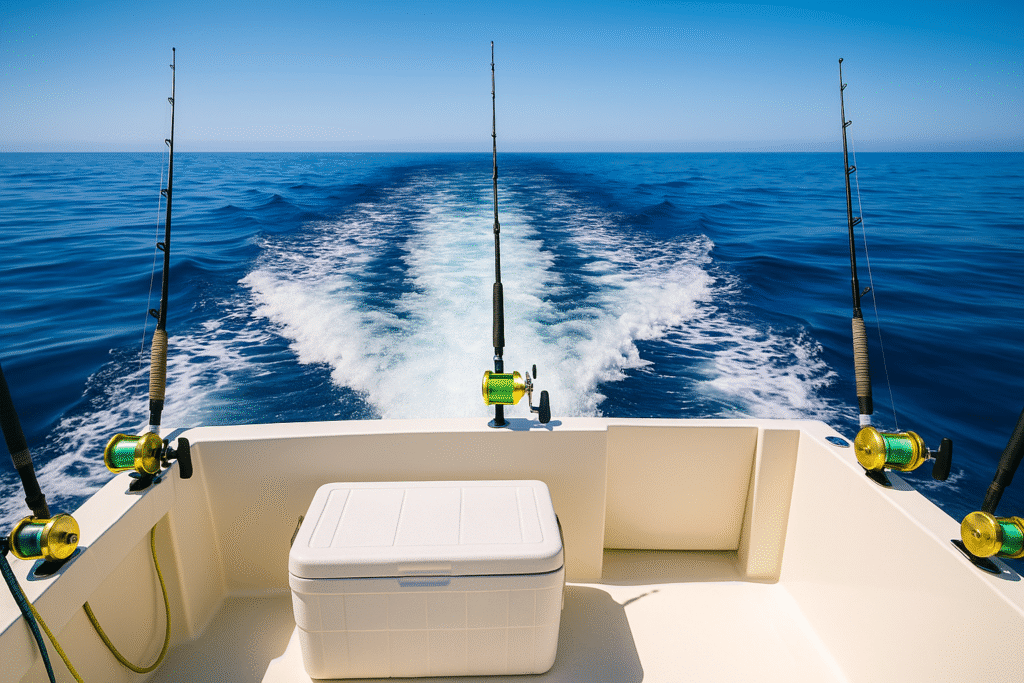
Booking a fishing charter can be one of the easiest ways to experience a new body of water and improve your chances of catching fish. Instead of worrying about finding productive areas, launching a boat, or bringing all your own equipment, you can fish with an experienced captain who already knows the local waters.
Across Canada and the United States, anglers can choose from freshwater trips for bass, walleye, muskie, trout, and salmon as well as saltwater adventures targeting halibut, tuna, tarpon, redfish, snapper, and many other species.
However, not every charter experience is the same. Location, target species, trip length, equipment, boat size, and the experience of your captain can all make a difference.
This guide covers what to look for when booking fishing charters, some of the best destinations in Canada and the United States, and what you should know before stepping aboard.
What Is a Fishing Charter?
A charter is a guided fishing trip operated by a captain or professional guide.
Depending on the destination, your trip may take place aboard anything from a smaller freshwater fishing boat to a large offshore vessel equipped for deep-water fishing.
Most trips include much of the equipment you’ll need, which may include:
- Rods and reels
- Fishing line
- Lures or bait
- Safety equipment
- Fish-finding electronics
- Nets and other fishing tools
Some operators may also clean your catch after the trip.
However, what’s included varies considerably. Therefore, always check with the operator before booking.
Why Book a Guided Fishing Trip?
One of the biggest advantages of hiring a guide is local knowledge.
Professional captains spend countless hours on their home waters. As a result, they often understand seasonal fish movements, productive structures, weather patterns, baitfish locations, and effective fishing techniques.
This can be especially valuable when you’re visiting somewhere for the first time.
Additionally, a guided trip eliminates the need to transport a boat and large amounts of fishing equipment.
For beginners, it can also provide an opportunity to learn techniques directly from an experienced angler.
Fishing Charters in Canada
Canada offers an enormous variety of freshwater and saltwater fishing opportunities.
From the Pacific coast of British Columbia to Ontario’s Great Lakes and the Atlantic waters surrounding Newfoundland and Labrador, anglers have plenty of destinations to choose from.
British Columbia
British Columbia is one of Canada’s premier destinations for salmon and halibut fishing.
Popular coastal destinations include:
- Vancouver Island
- Tofino
- Ucluelet
- Victoria
- Campbell River
- Haida Gwaii
Salmon are a major attraction, with anglers pursuing Chinook, coho, sockeye, pink, and chum depending on the season and location.
Meanwhile, halibut fishing provides an opportunity to battle powerful bottom-dwelling fish.
Because conditions and migrations change throughout the year, local guides can be particularly valuable when deciding where and how to fish.
Ontario
Ontario provides some of the most diverse freshwater fishing opportunities in Canada.
Depending on the body of water, anglers can target:
- Walleye
- Smallmouth bass
- Largemouth bass
- Northern pike
- Muskie
- Lake trout
- Salmon
- Steelhead
Lake Ontario and Lake Erie are particularly well known for guided Great Lakes trips.
Lake Ontario offers opportunities for salmon and trout, while Lake Erie is famous for its walleye and smallmouth bass fishing.
However, the Great Lakes aren’t your only option. Ontario contains thousands of inland lakes where guides target bass, muskie, pike, walleye, and trout.
Planning an Ontario fishing vacation? Explore our Ontario Fishing Lodges & Cottage Resorts directory to find accommodations near productive fishing waters.
Newfoundland and Labrador
Newfoundland and Labrador offers a very different fishing experience.
Saltwater anglers can pursue species such as cod and mackerel, while some offshore opportunities may include much larger gamefish.
The combination of rugged coastline, marine wildlife, and productive Atlantic waters makes this an appealing destination for anglers looking for something different from a traditional inland fishing trip.
Fishing Charters in the United States
The United States offers an equally impressive variety of fishing destinations.
You can chase largemouth bass in Florida, salmon in Alaska, redfish along the Gulf Coast, or trout and salmon throughout the Great Lakes.
Florida
Florida is one of North America’s most popular fishing destinations, and for good reason.
The state offers freshwater, inshore, nearshore, and offshore opportunities throughout much of the year.
Depending on your destination, you may encounter:
- Tarpon
- Snook
- Redfish
- Snapper
- Grouper
- Sailfish
- Mahi-mahi
- Largemouth bass
The Florida Keys are particularly famous for saltwater fishing, while Central and South Florida contain excellent largemouth bass fisheries.
If freshwater fishing is your priority, check out our guide to the Best Bass Fishing Lakes in Florida.
Alaska
For anglers seeking an adventure, Alaska is difficult to beat.
Salmon and halibut are two of the biggest attractions. However, the state also provides opportunities for trout and several other species.
Popular destinations include:
- Homer
- Seward
- Kodiak Island
- Kenai Peninsula
- Sitka
Guided trips can be particularly helpful in Alaska because of the enormous size and remote nature of many fishing areas.
Texas and the Gulf Coast
The Gulf Coast provides a completely different fishing experience.
Texas, Louisiana, Mississippi, Alabama, and Florida all offer excellent saltwater opportunities.
Popular target species include:
- Redfish
- Speckled trout
- Flounder
- Snapper
- Cobia
- King mackerel
- Tuna
Inshore trips can be an excellent option for families and newer anglers, while offshore trips provide access to larger gamefish.
Texas also has outstanding freshwater bass fishing. If that’s what you’re after, see our guide to the Top Bass Fishing Lakes in Texas.
Great Lakes
The Great Lakes support an incredible recreational fishery shared between Canada and the United States.
Depending on the lake and season, anglers can pursue:
- Walleye
- Lake trout
- Chinook salmon
- Coho salmon
- Steelhead
- Smallmouth bass
- Yellow perch
Guided trips are especially useful here because fish may be spread across large areas and can move considerably as water temperatures and baitfish locations change.
Captains often use trolling equipment, downriggers, sonar, and GPS technology to locate and target fish efficiently.
How to Choose the Right Fishing Charter
Finding a good captain involves more than simply choosing the cheapest trip.
Before booking, consider several important factors.
Decide What You Want to Catch
Start with your target species.
For example, a bass trip on an inland lake is completely different from an offshore tuna trip.
Once you’ve chosen your target species, look for captains who regularly specialize in that type of fishing.
Check the Trip Length
Trips commonly range from a few hours to a full day.
Half-day trips can work well for:
- Families
- Beginners
- Younger anglers
- Casual fishing
- Travellers with limited time
However, longer trips may give experienced anglers more time to reach distant fishing areas and adapt to changing conditions.
Ask What’s Included
Before paying a deposit, find out exactly what the price covers.
Ask whether the operator provides:
- Rods and reels
- Tackle
- Bait
- Safety equipment
- Fish cleaning
- Drinking water
- Food
- Fishing permits or licenses
Knowing this beforehand prevents surprises at the dock.
Do You Need a Fishing License?
Licensing requirements vary depending on where you’re fishing.
In some areas, a charter operator may have licensing arrangements that cover passengers. In others, every angler may need to purchase their own permit before the trip.
Never assume you’re automatically covered.
Instead, ask the captain when booking and verify the current regulations for your destination.
You can also use our Fishing License Guide for the USA and Canada to find official licensing resources for states, provinces, and territories.
What Should You Bring?
Even when tackle is supplied, there are several things worth bringing yourself.
Consider packing:
- Polarized sunglasses
- Sunscreen
- Hat
- Weather-appropriate clothing
- Rain jacket
- Food and drinks
- Camera or smartphone
- Cooler for bringing fish home, if permitted
- Any required personal medication
Additionally, dress in layers whenever conditions may change throughout the day.
Weather can feel very different on open water than it does on shore.
Check the Weather Before Your Trip
Weather plays an important role in any fishing trip.
Strong winds, storms, waves, extreme temperatures, and poor visibility can affect both fishing conditions and safety.
Captains will generally make the final decision about whether conditions are safe enough to leave the dock.
Therefore, check the operator’s cancellation and weather policy when booking.
If your captain postpones a trip because of unsafe conditions, remember that the decision is being made for everyone’s safety.
Ask About Catch-and-Release and Keeping Fish
If you hope to bring fish home, discuss this before your trip.
Regulations can include:
- Daily limits
- Possession limits
- Size restrictions
- Closed seasons
- Protected species
- Catch-and-release requirements
Some guides may also operate primarily or entirely as catch-and-release businesses.
Meanwhile, others may clean legal fish for customers at the end of the trip.
Knowing the policy ahead of time ensures that your expectations match the experience being offered.
Fishing Charters for Beginners
You don’t need years of experience to hire a guide.
In fact, guided fishing can be one of the easiest ways for a beginner to learn.
A good captain can show you:
- How to hold and use the equipment
- How to cast
- How to detect bites
- How to fight a fish
- How to land fish safely
- How different lures and techniques work
Let the operator know when booking if anyone in your group is new to fishing.
That allows the captain to plan a trip suited to everyone’s experience level.
Are Fishing Charters Good for Families?
Yes. Many guided trips are family-friendly.
However, you should choose the trip carefully when bringing younger children.
A shorter inland or inshore excursion may be more enjoyable for kids than spending an entire day travelling offshore.
Before booking, ask about:
- Minimum age requirements
- Life jackets for children
- Washroom facilities
- Trip duration
- Expected water conditions
- Number of passengers
Most importantly, tell the operator you’re bringing children so they can recommend the most suitable option.
How Far in Advance Should You Book?
Popular guides can fill their calendars quickly, particularly during peak fishing seasons.
If you’re planning a vacation around a specific species or fishing destination, booking early gives you more choices.
This is especially important when travelling during:
- Salmon runs
- Peak summer vacation periods
- Holiday weekends
- Major fishing tournaments
- Short seasonal fisheries
However, last-minute openings do sometimes become available due to cancellations.
Where Can You Find Fishing Charters?
There are several ways to find reputable guides.
You can search through local tourism organizations, marinas, fishing associations, tackle shops, online booking platforms, and recommendations from other anglers.
Another option is FishingBooker, which allows anglers to browse guided trips by destination and compare information about available operators.
Regardless of where you find your captain, research the business before booking.
Look at recent reviews, the type of fishing they specialize in, the boat they operate, what’s included, cancellation policies, and any licensing or safety information provided.
Plan Your Next Fishing Adventure
Booking a fishing charter opens the door to fishing destinations and techniques that might otherwise be difficult to experience on your own.
Canada offers everything from Ontario walleye and Great Lakes salmon to British Columbia halibut. Meanwhile, the United States provides opportunities ranging from Florida tarpon and largemouth bass to Alaska salmon and Gulf Coast redfish.
The key is choosing a trip that matches your target species, experience level, budget, and expectations.
Before booking, research the captain, confirm what’s included, understand the cancellation policy, and check licensing requirements.
Then it’s time to get on the water.
Whether you’re travelling with friends, taking the family fishing, or chasing a bucket-list species, a knowledgeable local captain can help turn a fishing vacation into an experience you’ll remember for years.
