
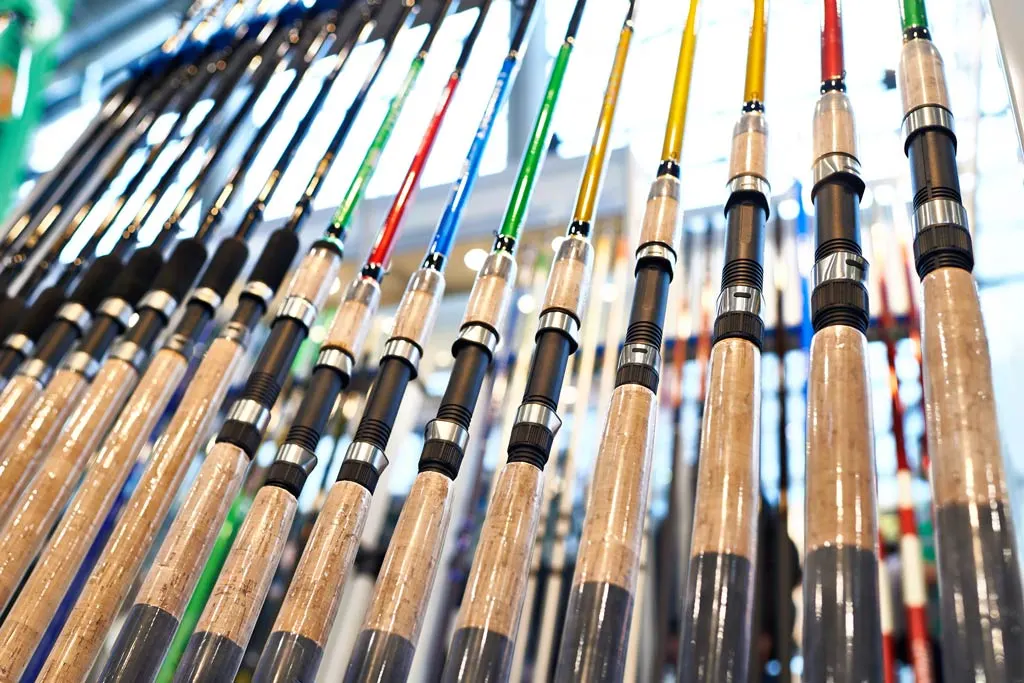
Choosing the right fishing rod is one of the most important decisions any angler can make. Whether you’re bass fishing in a local pond, targeting trout in mountain streams, or chasing saltwater giants offshore, the right fishing rod can dramatically improve your casting accuracy, hook-up ratio, and overall success on the water.
With so many different fishing rods available today, understanding rod length, rod action, rod power, and rod materials can feel overwhelming — especially for beginners.
This complete guide will break down everything you need to know about how to choose a fishing rod, including the best rod lengths, materials, actions, and power ratings for different fishing situations and species.
Why Choosing the Right Fishing Rod Matters
A fishing rod is the backbone of your entire fishing setup. The wrong rod can make casting difficult, reduce sensitivity, and even cost you fish during the fight.
The right fishing rod helps you:
- Cast farther and more accurately
- Detect bites more easily
- Improve hook-setting power
- Handle specific fish species effectively
- Match your fishing technique properly
Think of it this way: you wouldn’t use a lightweight trout rod to fight a giant tuna, just like you wouldn’t use a heavy offshore rod for panfish.
Key Advantage: The right fishing rod improves performance, comfort, sensitivity, and fish-fighting ability for your specific fishing style.
Understanding Fishing Rod Length
Fishing rod length plays a major role in casting distance, leverage, accuracy, and fish control.
Most fishing rods range from 4 to 14 feet long depending on the application.
General Fishing Rod Length Rule
- Longer rods = longer casts and better line control
- Shorter rods = more accuracy and better close-range control
Best Fishing Rod Length for Beginners
For most beginners, a 7-foot fishing rod is the best all-around choice.
Why?
- Easy to cast
- Good balance of distance and accuracy
- Versatile for multiple species
- Works well from shore or boat
- Beginner-friendly
A 7-foot medium-power rod is one of the most versatile fishing setups available.
When to Use Shorter Fishing Rods
Shorter fishing rods (4–7 feet) excel when:
- Fishing from kayaks
- Fishing around docks or trees
- Making precise casts
- Targeting fish near heavy cover
- Fighting larger fish at close range
Short rods offer increased leverage and better control in tight spaces.
Best Uses for Short Fishing Rods
- Bass fishing near cover
- Jigging
- Boat fishing
- Ice fishing
- Small stream trout fishing
When to Use Longer Fishing Rods
Longer fishing rods (8–14 feet) are designed for maximum casting distance and line management.
Long rods are best when:
- Surf fishing
- Shore fishing
- Float fishing
- Salmon fishing
- Covering large areas of water
Longer rods also help anglers keep line above waves or current.
Pro Tip: If you fish primarily from shore, a longer fishing rod will help you cast farther and cover more water effectively.
Fishing Rod Materials Explained
The material of your fishing rod affects:
- Weight
- Sensitivity
- Strength
- Durability
- Price
Modern fishing rods are usually made from fiberglass, graphite, or composite materials.
Fiberglass Fishing Rods
Fiberglass rods are durable, affordable, and forgiving.
Advantages of Fiberglass Rods
- Extremely durable
- Affordable for beginners
- Flexible and forgiving
- Great for trolling and live bait fishing
- Handles rough treatment well
Disadvantages of Fiberglass Rods
- Heavier than graphite
- Less sensitive
- Slower response
Fiberglass rods are excellent for beginner anglers and heavy-duty fishing applications.
Best Uses for Fiberglass Fishing Rods
- Catfish fishing
- Trolling
- Live bait fishing
- Saltwater fishing
- Beginner setups
Graphite Fishing Rods
Graphite fishing rods are lightweight and highly sensitive.
Advantages of Graphite Rods
- Lightweight
- Highly sensitive
- Faster hooksets
- Better bite detection
- Excellent for finesse fishing
Disadvantages of Graphite Rods
- More expensive
- More brittle than fiberglass
- Less forgiving under heavy pressure
Graphite rods are ideal when sensitivity matters most.
What Do IM6, IM7, and IM8 Mean?
These designations refer to graphite modulus ratings.
Generally:
- Higher numbers = lighter and more sensitive rods
- Lower numbers = more durable rods
Higher modulus graphite rods are often preferred for bass fishing and finesse techniques.
Composite Fishing Rods
Composite rods combine fiberglass and graphite into a single blank.
This creates a balanced rod with both sensitivity and durability.
Advantages of Composite Rods
- Strong yet sensitive
- More versatile
- Durable and lightweight
- Excellent all-around performance
Disadvantages of Composite Rods
- Usually more expensive
- Can be technique-specific
Composite rods are ideal for anglers who fish a variety of techniques and environments.
📌 Quick Recap: Fiberglass = durable, Graphite = sensitive, Composite = balanced performance.Understanding Fishing Rod Action
Rod action describes where the rod bends along the blank and how quickly it returns to position.
Fishing rod action affects:
- Hook-setting speed
- Casting performance
- Lure presentation
- Fish-fighting characteristics
The three main rod actions are:
- Fast action
- Medium action
- Slow action
Fast Action Fishing Rods
Fast action rods bend mostly near the tip.
Advantages of Fast Action Rods
- Faster hooksets
- More sensitivity
- Better for single-hook lures
- Increased control around cover
- More power for larger fish
Best Uses for Fast Action Rods
- Texas rigs
- Jigs
- Frogs
- Worm fishing
- Big game fishing
Best Fish Species for Fast Action Rods
- Bass
- Muskie
- Pike
- Tuna
- Billfish
Fast action rods are extremely popular among bass anglers because they provide excellent sensitivity and hook-setting power.
Medium Action Fishing Rods
Medium action rods bend through the upper half of the rod.
They provide a balance between sensitivity and flexibility.
Advantages of Medium Action Rods
- Versatile performance
- Great for treble-hook lures
- More forgiving during fights
- Beginner-friendly
- Handles multiple techniques well
Best Uses for Medium Action Rods
- Crankbaits
- Spinnerbaits
- Trout fishing
- Walleye fishing
- Live bait fishing
Medium action rods are excellent all-purpose fishing rods.
Slow Action Fishing Rods
Slow action rods bend throughout most of the rod blank.
Advantages of Slow Action Rods
- Smooth casting performance
- Excellent for lightweight lures
- Keeps small hooks pinned better
- More forgiving during fights
Best Uses for Slow Action Rods
- Panfish fishing
- Trout fishing
- Small crankbaits
- Finesse fishing
- Ultralight setups
Slow action rods are especially useful when fishing with very light tackle.
Understanding Fishing Rod Power
Rod power refers to how much force is required to bend the rod.
The main power ratings include:
- Ultra-light
- Light
- Medium-light
- Medium
- Medium-heavy
- Heavy
Ultra-Light Fishing Rods
Ultra-light rods are designed for small fish and lightweight lures.
Best Uses for Ultra-Light Rods
- Panfish
- Small trout
- Ultralight fishing
- Tiny jigs and spinners
These rods maximize fun with smaller fish species.
Medium Power Fishing Rods
Medium power rods are the most versatile option.
Best Uses for Medium Rods
- Bass fishing
- Walleye fishing
- Trout fishing
- Multi-species fishing
- General freshwater fishing
A medium-power rod is one of the best all-around choices for beginners.
Heavy Power Fishing Rods
Heavy rods are designed for larger fish and heavier lures.
Best Uses for Heavy Rods
- Pike fishing
- Muskie fishing
- Offshore fishing
- Frog fishing
- Punching heavy vegetation
Heavy rods provide maximum leverage and hook-setting power.
Key Advantage: Match rod power to your lure weight, fishing line, and target species for the best overall performance.
How to Choose the Best Fishing Rod for Your Fishing Style
When choosing a fishing rod, ask yourself these questions:
- Where will I be fishing?
- What species am I targeting?
- What techniques will I use?
- Am I fishing freshwater or saltwater?
- Am I a beginner or experienced angler?
Your answers will help narrow down the best rod for your needs.
Best Fishing Rod Setup for Beginners
If you’re new to fishing, start with:
- 7-foot rod
- Medium power
- Medium-fast action
- Spinning setup
- Graphite or composite construction
This setup handles most freshwater fishing situations and is easy to learn.
Fishing Rod Buying Mistakes to Avoid
Many anglers buy the wrong fishing rod because they overlook important details.
Avoid these common mistakes:
- Choosing a rod that’s too stiff
- Using the wrong rod length
- Ignoring lure weight ratings
- Buying technique-specific rods too early
- Choosing cheap reels with quality rods
Balance matters more than simply buying the most expensive rod available.
Frequently Asked Questions
What is the best fishing rod length for beginners?
A 7-foot fishing rod is the best all-around option for beginners because it offers a balance of casting distance, control, and versatility.
What’s the difference between rod action and rod power?
Rod action describes where the rod bends, while rod power describes how much force is needed to bend it.
Is graphite or fiberglass better?
Graphite rods are lighter and more sensitive, while fiberglass rods are more durable and forgiving. Composite rods combine the strengths of both materials.
What rod power is best for bass fishing?
Medium-heavy power rods are extremely popular for bass fishing because they handle a wide range of lures and techniques.
What’s the best fishing rod for all-around freshwater fishing?
A 7-foot medium-power, medium-fast action spinning rod is one of the best all-around freshwater setups available.
Final Thoughts
Choosing the right fishing rod doesn’t have to be complicated. Once you understand rod length, rod action, rod power, and rod materials, selecting the right setup becomes much easier.
For most anglers, versatility is key. A balanced setup that matches your fishing style, target species, and experience level will help you enjoy fishing more and catch more fish consistently.
As your skills grow, you can expand into more technique-specific rods and specialized setups.
Quick Recap: Choose rod length based on casting needs → Match rod material to sensitivity and durability preferences → Select the right action for your technique → Match rod power to your target species and lure size.
