
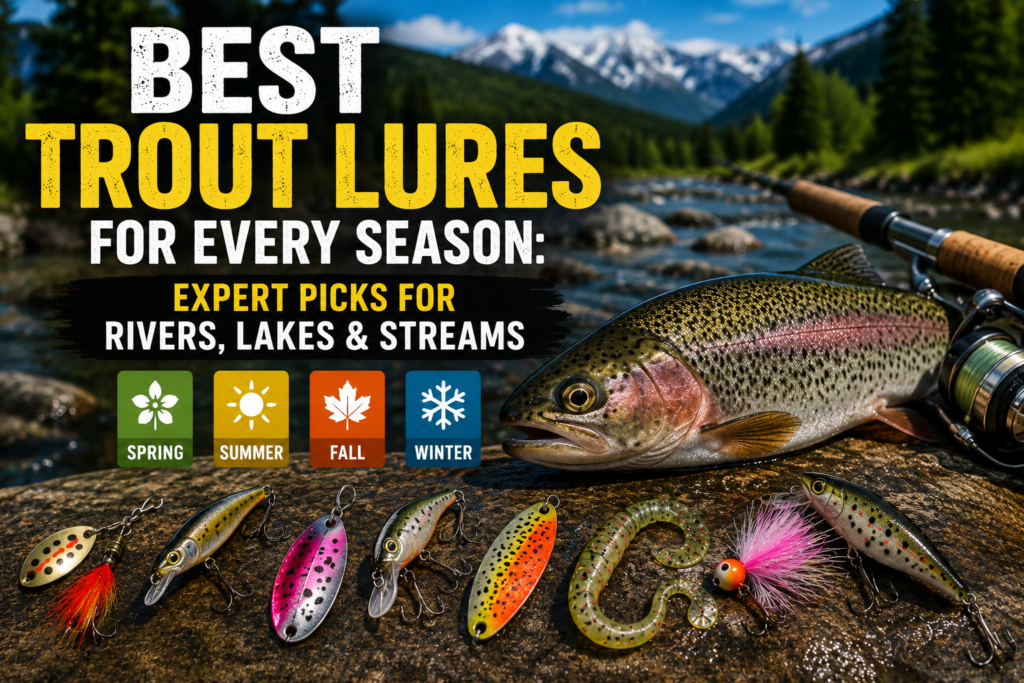
A lot of anglers wrap up their trout season once the warm months arrive, assuming the fishing has gone cold on them. The truth is, summer trout fishing can be just as rewarding as spring, but only if you change how you approach the water. Trout do not disappear when temperatures climb. They simply shift their habits, and so must you.
This guide walks through the most reliable spring fishing tips for warm-weather conditions, covering everything from timing and location to bait selection and gear. Whether you are new to freshwater trout fishing or just looking for ways to sharpen your approach, these strategies will make a noticeable difference in your catch rate all season long.
Why Summer Changes Everything for Trout Anglers
Trout are cold-water fish by nature. Similar to the principles behind many Musky fishing tactics, understanding how environmental conditions affect fish movement is essential for consistent success. When rivers, lakes, and streams begin warming in June and July, trout adjust their behavior dramatically. They stop roaming and settle into specific zones where water temperature stays within a tolerable range.
Most trout species prefer water temperatures between 50 and 65 degrees Fahrenheit. Once temperatures climb above 68 degrees, feeding activity drops sharply, and trout can become stressed. This is the single most important thing to understand about summer trout fishing.
Adjust your expectations around this biology, and you will stop fishing in the wrong places at the wrong times.
1. Time Your Trips Around Water Temperature, Not Just Daylight
If there is one lesson that separates consistent summer anglers from frustrated ones, it is this: fish when the water is cool, not just when you happen to have free time. Many proven Spring fishing tips emphasize the same focus on timing and favorable water conditions.
In summer, the best windows for trout fishing tips into action are:
- Early morning (before 9 a.m.)
- Late evening (after 5 p.m.)
- Overcast days when cloud cover keeps temperatures down
During the middle of the day, water temperatures peak and trout often stop feeding entirely. Chasing them during those hours is largely a waste of effort. Early morning trips, especially on rivers with shaded canopy overhead, can produce some of the most active and aggressive feeding behavior you will see all summer.
2. Find Where the Cold Water Is and Fish There
How to catch trout in summer often comes down to one thing: location. Anglers experienced in early season musky fishing understand that locating fish-holding structure and temperature breaks can make all the difference.
Look for these spots in summer:
- Deep pools below rapids or riffles
- Areas where spring-fed tributaries enter a river or lake
- Shaded banks with overhead tree canopy
- Undercut banks where cool ground seeps in
- Below dams where release water tends to run colder
- Deep lake basins where thermoclines form
On larger lakes, a fish finder is worth its weight. The thermocline, which is the invisible horizontal layer where warm and cold water meet, is exactly where trout will stack up during the heat of summer. Fish just above or within this zone and you will consistently put yourself on fish.
It is recommended to scout these thermal zones before setting up, especially on reservoirs where water stratification becomes pronounced by midsummer.
3. Match What Trout Are Eating in Summer
Trout feeding in warm water is opportunistic but targeted. Like many successful Musky fishing tactics, matching the available forage is often the key to generating strikes.
Summer forage for trout commonly includes:
- Terrestrial insects (grasshoppers, beetles, ants, crickets)
- Small minnows and juvenile fish
- Mayfly, caddis, and stonefly hatches
- Small crayfish
- Worms washed in by rain
For fly anglers, summer is prime time for terrestrial patterns. A hopper pattern drifting along a grassy bank on a warm afternoon can produce explosive strikes. Spin anglers do well with small spinners, inline lures, and soft plastic grubs that mimic the size and movement of small baitfish.
Spend a few minutes watching the water before you rig up. If you see fish rising to the surface, they are feeding on hatching insects. If not, go subsurface with a sinking presentation.
4. Go Light on Tackle in Clear Water
Summer streams and lakes tend to run clearer than they do in spring. Anglers transitioning from Spring musky fishing often notice that clear-water conditions require a more refined presentation.
Switching to lighter tackle is one of the most practical trout fishing tips for this time of year:
- Use 4-pound or 6-pound fluorocarbon line instead of monofilament (fluorocarbon is nearly invisible underwater)
- Downsize your lure or fly to match smaller summer prey
- Use a lighter rod action to get a more natural drift or presentation
- Stay back from the bank when possible; trout in clear water spook easily
Light spinning rods in the ultralight category paired with a 1000 to 2500 size reel give you enough sensitivity to detect soft strikes while keeping your presentation refined.
Heavily pressured trout waters, which describe most publicly accessible rivers and lakes, require subtlety above all else in the summer months.
5. Use Natural Bait When Artificial Lures Slow Down
There are days when trout just are not interested in anything that does not look exactly like real food. This aligns with many Spring fishing tips that encourage presenting bait as naturally as possible.
Top natural bait choices for summer trout:
- Nightcrawlers (still one of the most reliable baits across all seasons)
- Waxworms and mealworms
- Salmon eggs
- Live minnows where regulations allow
- Dough bait and PowerBait for stocked trout in lakes
Presentation matters as much as the bait itself. Drift a nightcrawler naturally through a deep pool with no weight, or suspend it under a small float near a shaded bank. Let the current do the work. Trout in summer are not going to chase something that moves unnaturally.
Check your local regulations before using live bait, as some rivers and designated fly-fishing-only sections restrict what you can fish with.
6. Target Depth on Lakes and Reservoirs
Rivers and streams tend to get most of the attention in trout fishing circles, but summer lake fishing for trout can be outstanding if you know where to look vertically, not just horizontally.
As the season progresses and surface temperatures rise, trout push deeper. On a typical midsummer day on a large reservoir, trout may be sitting 25 to 45 feet below the surface. Key structure to target at depth includes:
- Submerged points and humps adjacent to deep basins
- Underwater ledges where bottom composition changes
- Drop-offs near the mouths of tributaries
- Rocky areas that retain cold water
Trolling with small spoons or inline spinners at varying depths is one of the more productive methods for locating trout on large water. Once you mark fish on the finder, switch to vertical presentations to target that precise depth.
Lake trout populations in particular can descend significantly in summer, often requiring anglers to adapt with downriggers or weighted setups to reach feeding fish.
7. Keep Moving Until You Connect
One habit that separates productive summer trout anglers from those who go home empty-handed is the willingness to move. This approach is also common in early season musky fishing, where covering water helps locate active fish.
If you have worked an area for 20 to 30 minutes without a strike or a follow, move on. Cover more water rather than waiting it out. Look for the next seam, the next deep pool, the next shaded bank.
Moving more also lets you read the water actively instead of passively. You start to notice current breaks, temperature changes at the rod tip, and subtle differences in the way different stretches are produced.
Summer Trout Fishing Gear Overview
Having the right setup keeps you comfortable and increases your chances on the water.
| Gear Category | Recommended Setup |
| Rod | Light or ultralight spinning rod, 5 to 6.5 feet |
| Reel | Smooth drag, 1000 to 2500 size |
| Line | 4 to 6 lb fluorocarbon or monofilament |
| Lures | Small spinners, spoons, soft plastics, inline lures |
| Bait | Nightcrawlers, waxworms, salmon eggs, dough bait |
| Fly Fishing | Terrestrial patterns, nymphs, small streamers |
| Accessories | Polarized sunglasses, landing net, waders if needed |
Polarized sunglasses are worth a specific mention. They cut surface glare and let you spot trout holding in current or resting in pools, which gives you a targeting advantage before you even make a cast.
Frequently Asked Questions About Summer Trout Fishing
What is the best time of day for summer trout fishing?
Early morning and late evening are your best windows. Water temperatures are at their lowest during these periods, which keeps trout active and willing to feed. Midday fishing in hot weather is typically slow and can stress fish unnecessarily.
How deep do trout go in summer?
It depends on the water body. In rivers, they are held in deep pools and behind structures. In lakes and reservoirs, trout may push 20 to 45 feet deep or more to find water cool enough to stay comfortable. A fish finder is helpful for locating them in larger lakes.
What bait works best for freshwater trout fishing in summer?
Nightcrawlers, waxworms, and salmon eggs remain reliable choices for natural bait. For artificial options, small spinners, spoons, and soft plastics in natural colors tend to outperform larger or flashier presentations in clear summer water.
Is summer trout fishing harder than spring trout fishing?
It can be more technical. Similar to Spring Musky Fishing, anglers must adjust their approach as fish behavior changes throughout the season. Anglers who adapt their timing, location, and presentation to summer conditions still catch fish consistently. Those who fish the same way year-round tend to struggle once the heat sets in.
How do I find trout in a river during hot weather?
Focus on moving water with good current, deep pools, shaded banks, and any spots where cooler water enters the river such as spring seeps or tributary mouths. Avoid slow, shallow, sunny stretches where water heats up quickly.
Can I practice catch and release in summer?
Yes, but handle fish with care. Warm water carries less oxygen, so trout tire quickly and recover slowly. Keep them in the water as much as possible, minimize handling time, and release them in cooler, well-oxygenated water such as a fast riffle rather than a slow eddy.
Conclusion
Summer trout fishing rewards anglers who pay attention. The season asks more of you in terms of adjusting your timing, reading the water for temperature, downsizing your gear, and staying mobile. These are not complicated changes, but they make a real difference in what you bring home.
Target cool water zones early in the morning, match the natural forage trout are keying on, and do not be afraid to cover a lot of ground until you find where the fish are actively holding. With these freshwater trout fishing strategies in your back pocket, summer becomes a season full of opportunity rather than one to sit out.
For more expert fishing content, how-to guides, and seasonal strategies built for real anglers, visit Crazy For Fishing and take your time on the water to the next level.
